
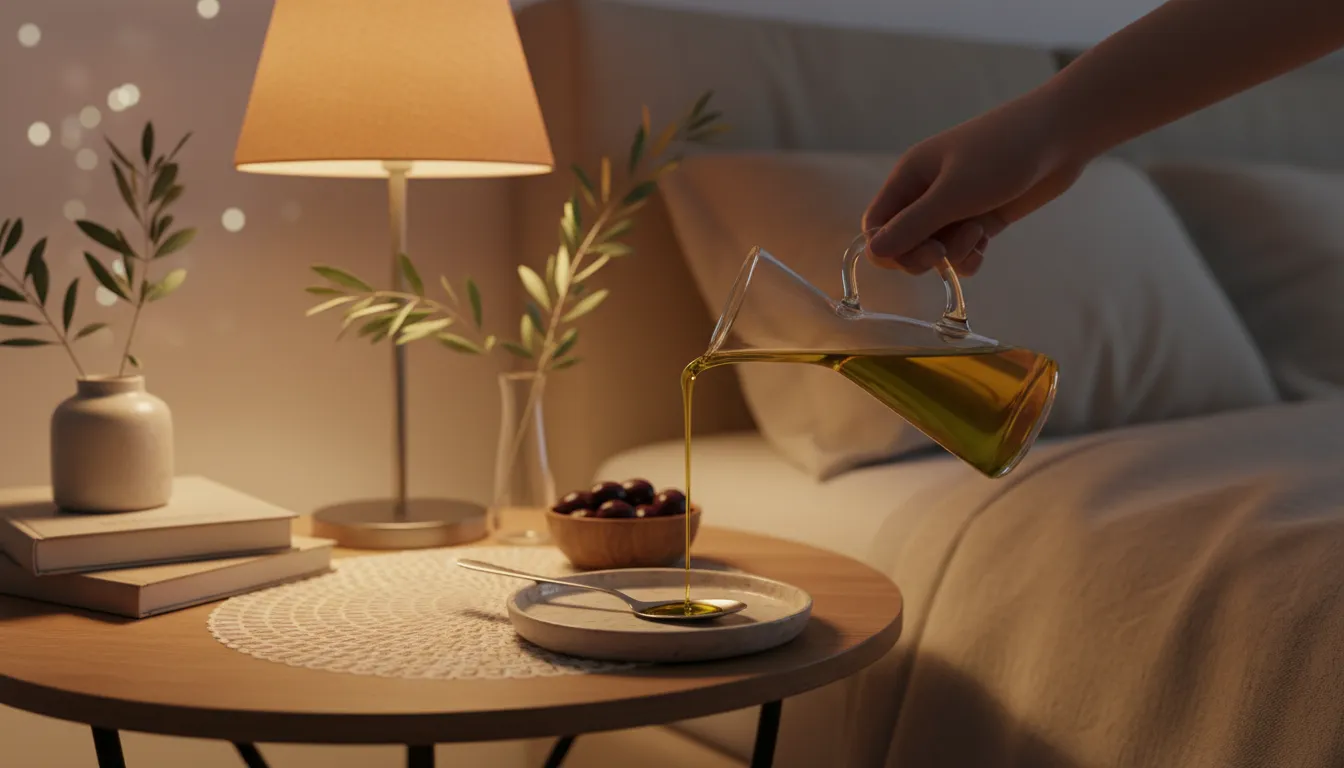
There are very few health habits I would describe as simple, inexpensive, and potentially transformative all at once. A nightly tablespoon of extra virgin olive oil is one of them.
That may sound almost too ordinary to matter. Olive oil is not exotic. It is not a cutting-edge supplement. It is not wrapped in a biohacking label or sold in a glossy bottle with promises of age reversal. It is a kitchen staple. And yet, after decades of longevity research and clinical observation, it deserves far more respect than it gets.
What makes this habit so interesting is not just what olive oil contains, but when it is taken. The timing matters. Your body does some of its most important repair work at night. While you sleep, your brain clears waste, your muscles rebuild, your joints undergo maintenance, your liver regulates cholesterol, and your metabolism shifts into overnight management mode. If you supply the right compounds before bed, you may be able to support those natural processes in a very targeted way.
That is the central idea behind drinking olive oil before sleep. Not a large amount. Not a fad cleanse. Just 1 tablespoon of high-quality extra virgin olive oil, ideally taken 20 to 45 minutes before bed.
The research highlighted around this practice points to seven major areas of benefit: sleep, heart health, joints, gut health, muscle preservation, blood sugar regulation, and perhaps most intriguing of all, brain protection.
One of the most frequently cited pieces of evidence is the New England Journal of Medicine PREDIMED trial, which followed more than 7,400 people and found that those consuming olive oil as part of their routine had a 30% lower risk of major cardiovascular events. That finding alone should have made olive oil a centerpiece of every healthy aging conversation.
But there is more to the story, especially when olive oil is used at night.
Table of Contents
- Why extra virgin olive oil matters more than regular olive oil
- The nighttime olive oil protocol
- 7. Better sleep through reduced neuroinflammation
- 6. Heart protection during the most dangerous hours of the night
- 5. Joint support and overnight restoration
- 4. Gut microbiome restoration while you sleep
- 3. Combating sarcopenia and preserving muscle after 60
- 2. Stabilizing blood sugar overnight
- 1. Brain protection and the glymphatic system
- How to choose the best olive oil for this routine
- Important cautions before starting
- What makes this habit so compelling
- FAQ
- Final thought
Why extra virgin olive oil matters more than regular olive oil
Before talking about the seven benefits, it is worth getting one thing straight: quality matters.
When people say olive oil, they often lump together very different products. Refined olive oil is not the same as cold-pressed extra virgin olive oil. The extra virgin form contains the polyphenols and bioactive compounds that drive much of the research, including:
- Oleocanthal, known for anti-inflammatory activity
- Hydroxytyrosol, a potent antioxidant
- Oleuropein, associated with metabolic and muscle benefits
- Oleic acid, the dominant monounsaturated fat that supports heart and metabolic health
A practical clue is taste. High-quality extra virgin olive oil often has a peppery bite at the back of the throat. That sensation is linked to oleocanthal. As was put very plainly: no bite, no benefit.

If possible, choose a bottle that is cold-pressed and quality-certified. For the brain-related benefits discussed later, especially those tied to polyphenols, a product listing polyphenol content above 300 mg/kg is ideal.
The nighttime olive oil protocol
The basic routine is surprisingly simple:
- Amount: 1 tablespoon
- Timing: About 20 to 45 minutes before bed
- Type: High-quality extra virgin olive oil
- How to take it: Straight, or stirred into a small amount of warm water
Different food pairings may support different goals, which I will cover in each section. But the foundation remains the same: one tablespoon, taken intentionally, before sleep.
7. Better sleep through reduced neuroinflammation
Most people assume poor sleep later in life is simply a matter of stress, aging, or bad habits. Sometimes that is true. But very often the deeper issue is neuroinflammation, a chronic, low-grade inflammatory state in the brain that interferes with melatonin production and restorative sleep cycles.
A useful way to picture this is as a factory trying to run a night repair shift while smoke fills the building. The workers are there, but conditions are poor. In the same way, the brain struggles to perform its overnight repair duties when inflammation is simmering in the background.
Oleocanthal, one of the standout compounds in extra virgin olive oil, appears to act in a way that is biochemically similar to ibuprofen by inhibiting inflammatory enzymes known as COX-1 and COX-2. The difference is that olive oil does this without the same gastrointestinal burden that often makes long-term anti-inflammatory medication difficult for older adults.
Research discussed from the Journal of Nutritional Biochemistry found that people consuming olive oil polyphenols in the evening experienced a 28% improvement in sleep continuity. In practical terms, that means fewer awakenings during the night and more time in deeper stages of sleep.
If you are over 60 and sleep has become fragmented, that is not a trivial improvement. Better sleep can affect mood, memory, balance, appetite regulation, and recovery the next day.
For added support, olive oil can be paired with:
- Tart cherries or tart cherry juice, which contain natural melatonin
- A small amount of warm water and sea salt if taking the oil straight feels unpleasant
This pairing is attractive because it works from two angles at once: olive oil helping to calm inflammation, tart cherries supporting melatonin pathways.
6. Heart protection during the most dangerous hours of the night
Here is a fact many people never hear: the most dangerous hours for the heart are often not during exercise or daytime stress. They are in the early morning, roughly between 3:00 a.m. and 6:00 a.m., when blood pressure rises and arterial stiffness peaks.
That pattern helps explain why so many heart attacks occur during sleep or shortly after waking.
As the years pass, artery walls gradually lose elasticity. Inflammation and oxidative stress accelerate that process. One major contributor is oxidized LDL. Regular LDL cholesterol is not harmless, but it becomes far more problematic when oxidation turns it into the form that tends to lodge in artery walls and contribute to plaque formation.
The oleic acid in olive oil, which makes up about 73% of its fat content, has been associated with reductions in LDL oxidation. A clinical trial from the University of Navarra involving adults over 65 found a 22% reduction in oxidized LDL markers among those consuming olive oil daily over three years.
The nighttime angle matters because the liver performs much of its cholesterol regulation work between midnight and 3:00 a.m. Taking olive oil before bed means those beneficial fats and polyphenols are in circulation when the liver enters that metabolic window.

If heart health is the priority, one recommended pairing is a small piece of dark chocolate, ideally 85% cacao or higher. According to research referenced from the University of L’Aquila, the flavanols in dark chocolate and the polyphenols in olive oil may work together to improve endothelial function, the health of the delicate cells lining blood vessels.
There was also a memorable patient example: a 74-year-old woman dealing with high cholesterol despite dietary changes. After adding nightly extra virgin olive oil as part of a larger lifestyle plan, her oxidized LDL markers fell and her nighttime blood pressure improved enough that a push toward statin therapy was delayed. Her description was simple and powerful: it felt like giving her heart a second chance.
Important note: if you take heart medications or cholesterol-lowering drugs, discuss any new routine with your physician. Olive oil is food, not a prescription, but food can still influence therapeutic needs.
5. Joint support and overnight restoration
Many adults notice the same unwelcome pattern with age: waking up stiff, achy, and slow to get moving. That discomfort often traces back to the health of synovial tissue, the thin membrane lining joints and producing the fluid that lets bones glide smoothly.
Think of synovial tissue as the lubrication system in an engine. When it weakens, friction rises. After 60, this system becomes more vulnerable. Fluid production slows, inflammation grows, and cartilage begins to wear down.
This is the biological setup behind osteoarthritis, a condition affecting tens of millions of people in the United States.
Olive oil enters this conversation through oleocanthal again, but this time the research points toward a more specific target: interleukin-1 beta, often shortened to IL-1 beta. This inflammatory signaling molecule helps drive cartilage breakdown. If you reduce that signaling, you are not just dampening pain. You may be helping protect the joint’s structure itself.
A 12-week study in the journal Nutrients found that people with moderate knee osteoarthritis who consumed extra virgin olive oil daily reported:
- 41% lower pain scores
- 38% better joint mobility
Why before bed? Because cartilage maintenance and tissue repair are tied to growth hormone release, which peaks during deep sleep, especially in the first couple of hours after falling asleep. Taking olive oil beforehand may help ensure its anti-inflammatory compounds are available exactly when the body shifts into repair mode.
A smart pairing here is warm lemon water or another source of vitamin C. Vitamin C is essential for collagen synthesis, and collagen is a major structural protein in cartilage and synovial membranes. Olive oil plus vitamin C creates a simple and elegant combination: reduce inflammatory damage while supporting the materials needed for repair.

4. Gut microbiome restoration while you sleep
Gut health is not a young person’s topic. If anything, it becomes more important with age.
Research from the American Gut Project has shown that adults over 70 have, on average, about 35% less microbial diversity in the gut than adults in their 30s. That decline is linked to systemic inflammation, poorer immunity, weaker nutrient absorption, and even changes in cognitive health.
Your gut is not simply a digestive tube. It is a major immune organ and one of the central regulators of inflammation throughout the body.
Extra virgin olive oil appears to act as a prebiotic. Certain polyphenols in olive oil, especially hydroxytyrosol and oleuropein, are not fully absorbed in the small intestine. Instead, they travel onward to the large intestine, where they can support beneficial microbes such as:
- Lactobacillus
- Bifidobacterium
At the same time, they may suppress less desirable bacterial species. Research from the University of Jaén in Spain found that olive oil polyphenols increased beneficial bacteria and reduced markers of gut inflammation over a 30-day period.
Nighttime again may be the ideal window because of the migrating motor complex, the wave-like cleaning action of the digestive tract between meals. This process is especially active during sleep. Having olive oil’s compounds present during that interval may amplify its effects on gut ecology and barrier function.
If gut support is the goal, pair olive oil with a small amount of warm chamomile tea. Chamomile contains apigenin, a flavonoid associated with support for the gut lining. Together, chamomile and olive oil may help maintain what gastroenterologists call gut barrier function, the ability of the intestinal wall to keep unwanted bacteria and inflammatory compounds out of the bloodstream.
3. Combating sarcopenia and preserving muscle after 60
This is one of the most important and underappreciated parts of healthy aging.
After age 60, the average person loses roughly 1% to 2% of muscle mass every year without intervention. By 75, that can add up to a 30% to 35% reduction from peak muscle mass. This process, known as sarcopenia, is not cosmetic. It affects balance, blood sugar control, strength, metabolism, and independence.
One of the reasons this happens is anabolic resistance. That term sounds technical, but the concept is simple: aging muscles become less responsive to the protein you eat. In younger adults, a protein-rich meal strongly stimulates muscle repair. In older adults, the same meal triggers a weaker signal.
That is where olive oil becomes unexpectedly interesting.
Research from the University of Connecticut discussed here found that olive oil polyphenols, particularly oleuropein, may stimulate production of IGF-1, or insulin-like growth factor 1, within muscle tissue. IGF-1 is one of the key signals that tells muscles to synthesize new protein and resist breakdown.
In that study, older adults using olive oil polyphenols over eight weeks showed a 25% increase in muscle protein synthesis rates compared with placebo.
There is also evidence that olive oil reduces activity of myostatin, a protein that acts like a brake on muscle growth. Since myostatin activity often rises with age, partially releasing that brake could help older adults maintain or rebuild muscle more effectively.
The best way to use this benefit is to pair the nightly tablespoon of extra virgin olive oil with a small protein serving, such as:
- Cottage cheese
- Greek yogurt
- A boiled egg
Dairy proteins like casein digest slowly, which means amino acids remain available to muscles during the overnight repair window when growth hormone peaks.

One patient story captured this beautifully. A 71-year-old retired firefighter had lost grip strength, struggled with groceries, and could no longer rise easily from a chair. After combining nightly olive oil, a small protein source, and resistance training three times a week, he regained 4 pounds of lean muscle in six months and improved grip strength by 18%. For the first time in years, he carried all the groceries in from the car in one trip.
That is what muscle preservation really means. Not a number on a chart. A life you can still physically live.
2. Stabilizing blood sugar overnight
Blood sugar does not stop mattering when you go to sleep. In fact, for many older adults, nighttime is when metabolic trouble quietly unfolds.
More than half of adults over 65 have some degree of insulin resistance, whether it has been diagnosed or not. During the early morning hours, the liver releases stored glucose in anticipation of waking. This is called the dawn phenomenon. In a metabolically healthy body, insulin keeps that process in check. In an insulin-resistant body, blood sugar spikes.
Repeated over years, those overnight glucose surges can contribute to vascular damage, accelerated aging, type 2 diabetes risk, and even cognitive decline.
Extra virgin olive oil appears to help through several mechanisms:
- It slows gastric emptying, meaning food leaves the stomach more gradually
- It may improve insulin sensitivity in muscle and liver cells
- Its polyphenols may support mitochondrial efficiency, helping cells process glucose more effectively
A study in Diabetes Care found that adding olive oil to an evening meal reduced post-meal blood glucose response by as much as 22% compared with a similar meal without olive oil.
Another layer here involves the mitochondria, the energy-producing structures inside cells. With age, mitochondrial function tends to decline, and that can make it harder for cells to handle glucose cleanly. Research from the University of Naples highlighted the possibility that olive oil polyphenols improve mitochondrial efficiency in muscle cells, which may help explain part of the blood sugar benefit.
For this purpose, the most strategic timing is slightly different: take the tablespoon of olive oil 20 to 30 minutes before your last small meal or snack of the evening.
A useful pairing is 1 teaspoon of apple cider vinegar in warm water. Research from Arizona State University found that apple cider vinegar before meals reduced post-meal blood glucose levels by 19% in people with insulin resistance. Together, apple cider vinegar and olive oil may create a practical, food-based strategy for overnight glucose control.
1. Brain protection and the glymphatic system
Now we come to the most fascinating benefit of all.
While you sleep, your brain runs a cleaning system that most people have never heard of: the glymphatic system.
During sleep, the brain actually shrinks slightly, allowing cerebrospinal fluid to move through the spaces between brain cells in a kind of wash cycle. That fluid helps clear waste products that build up during the day, including beta-amyloid, the toxic protein strongly associated with Alzheimer’s disease, and tau, another protein implicated in neurodegeneration.
If sleep quality is poor or this clearing system becomes less efficient, those waste proteins can accumulate over years and decades.
This is where olive oil enters the brain health conversation in a very specific way. Research from Temple University led by Dr. Domenico Praticò found that oleocanthal may stimulate the brain’s mechanisms for clearing beta-amyloid and tau. Specifically, it appeared to increase the activity of two proteins, P-glycoprotein and LRP1, which function like waste export pumps helping move toxins out of the brain and into the bloodstream, where the liver can help clear them.
The reported improvement in this clearance process was striking: about 50% with regular oleocanthal exposure in the early research models described.
This helps explain why adherence to a Mediterranean dietary pattern, where extra virgin olive oil is the primary fat source, has been associated with lower rates of cognitive decline compared with low-fat dietary approaches. For broader context on that dietary pattern, the Harvard T.H. Chan School of Public Health has an excellent overview.
The timing is not a side detail here. It is central to the idea. The glymphatic system is active primarily during sleep, not during the day. So if you want olive oil’s brain-supportive compounds available when that cleaning cycle turns on, before bed is the right time.
This may matter even more with age because glymphatic function declines substantially after 65 and can drop by 50% or more after 75.
For maximum brain benefit, the suggested protocol is:
- 1 tablespoon of high-polyphenol extra virgin olive oil
- 30 to 45 minutes before bed
- Sleep on your side, not your back, since research from Stony Brook University suggests the glymphatic system may work more efficiently in the lateral sleeping position
- Pair with blueberries or a small amount of turmeric in warm almond milk
Blueberries provide anthocyanins that can cross the blood-brain barrier and may reduce neuroinflammation. Turmeric contains curcumin, which has been studied for its ability to interfere with amyloid aggregation.
One of the most compelling stories attached to this idea involved a 78-year-old woman with a family history of Alzheimer’s disease. After adopting several brain-supportive habits, including nightly high-polyphenol extra virgin olive oil with blueberries, she reported something that mattered as much as any lab result: she stopped feeling helpless. Her sleep improved, her memory remained sharp, and she no longer felt like she was simply waiting for decline.
“I feel like I’m actually fighting back.”
That sentence captures the emotional power of preventive health better than almost anything else.
How to choose the best olive oil for this routine
If you are going to try this, do not reach for the cheapest bottle and assume all olive oil is equal. Look for:
- Extra virgin, not light or refined olive oil
- Cold-pressed labeling
- A harvest date if available, since freshness matters
- A peppery, slightly throat-catching bite, a sign of oleocanthal
- Quality certification or listed polyphenol content
- A dark bottle that protects the oil from light damage
For a general primer on olive oil quality and storage, the UC Davis Olive Center provides valuable consumer education.
Important cautions before starting
Even simple habits deserve common sense.
- If you take heart medications, cholesterol medication, or diabetes medication, talk with your physician before making this a nightly routine.
- If you have gallbladder issues, reflux, or fat malabsorption problems, start carefully and pay attention to tolerance.
- This is not a substitute for treatment of Alzheimer’s disease, diabetes, arthritis, or cardiovascular disease.
- Patient stories are encouraging, but individual responses vary.
Educational information should support medical care, not replace it.
What makes this habit so compelling
There is something almost profound about a health practice this modest.
No complicated stack of supplements. No expensive equipment. No dramatic overhaul. Just one tablespoon of a food that humans have used for centuries, aligned with the body’s natural overnight repair rhythm.
And yet the possible upside reaches across nearly every major concern of aging:
- Sleep quality
- Arterial health
- Joint comfort
- Gut resilience
- Muscle preservation
- Metabolic stability
- Brain protection
That does not mean olive oil is magic. It means healthy aging often responds to small, strategic, evidence-informed habits more than people realize.
If decline feels inevitable, this kind of protocol offers a different message. Support the systems that still work. Give the body what it needs when it can use it best. Start where you are.
One tablespoon every night before bed. For many people, that is a realistic place to begin.
FAQ
How much olive oil should you drink before bed?
The protocol discussed is 1 tablespoon of extra virgin olive oil, taken about 20 to 45 minutes before bed. More is not necessarily better. The goal is consistency, not excess.
What kind of olive oil is best before sleep?
Use high-quality, cold-pressed extra virgin olive oil. A peppery taste at the back of the throat is a good sign because it suggests the presence of oleocanthal. For brain-related benefits, higher polyphenol content is especially desirable.
Can olive oil before bed really help with sleep?
It may help by reducing neuroinflammation, which can interfere with melatonin production and deep sleep. Research discussed here reported improved sleep continuity in people consuming olive oil polyphenols in the evening.
Does drinking olive oil at night help with weight loss?
Weight loss was not the focus of the research presented. The emphasis was on healthy aging, including blood sugar regulation, metabolic support, and inflammation control. Olive oil still contains calories, so it should fit into an overall balanced diet.
Can olive oil before bed help prevent Alzheimer’s disease?
It should not be described as a guaranteed preventive tool. What the research suggests is that compounds in extra virgin olive oil, particularly oleocanthal, may support the brain’s clearance of toxic proteins such as beta-amyloid and tau during sleep. That makes it a promising part of a broader brain-healthy lifestyle.
What should olive oil be paired with at night?
That depends on the goal. Tart cherries may support sleep. Dark chocolate may complement heart benefits. Lemon water can support collagen synthesis for joints. Chamomile may help the gut lining. Cottage cheese or Greek yogurt may help muscle repair. Apple cider vinegar may support blood sugar control. Blueberries or turmeric may add brain-supportive compounds.
Is it safe to take olive oil before bed every night?
For many people, yes, but it is still wise to check with a healthcare professional if you take prescription medications or manage chronic conditions. Olive oil is a food, but foods can affect digestion, metabolism, and medication needs.
Final thought
Healthy aging is rarely about finding one miracle substance. It is about repeatedly making small decisions that support the body’s own repair systems. Extra virgin olive oil before bed stands out because it is simple enough to sustain and biologically plausible enough to take seriously.
If you are concerned about memory, joint pain, heart health, muscle loss, blood sugar, or poor sleep, this is one of those low-cost, low-complexity habits worth discussing with your doctor and considering as part of a larger plan.
Sometimes the most powerful tool for changing your health trajectory is not hidden in a lab. Sometimes it has been sitting in your kitchen all along.