
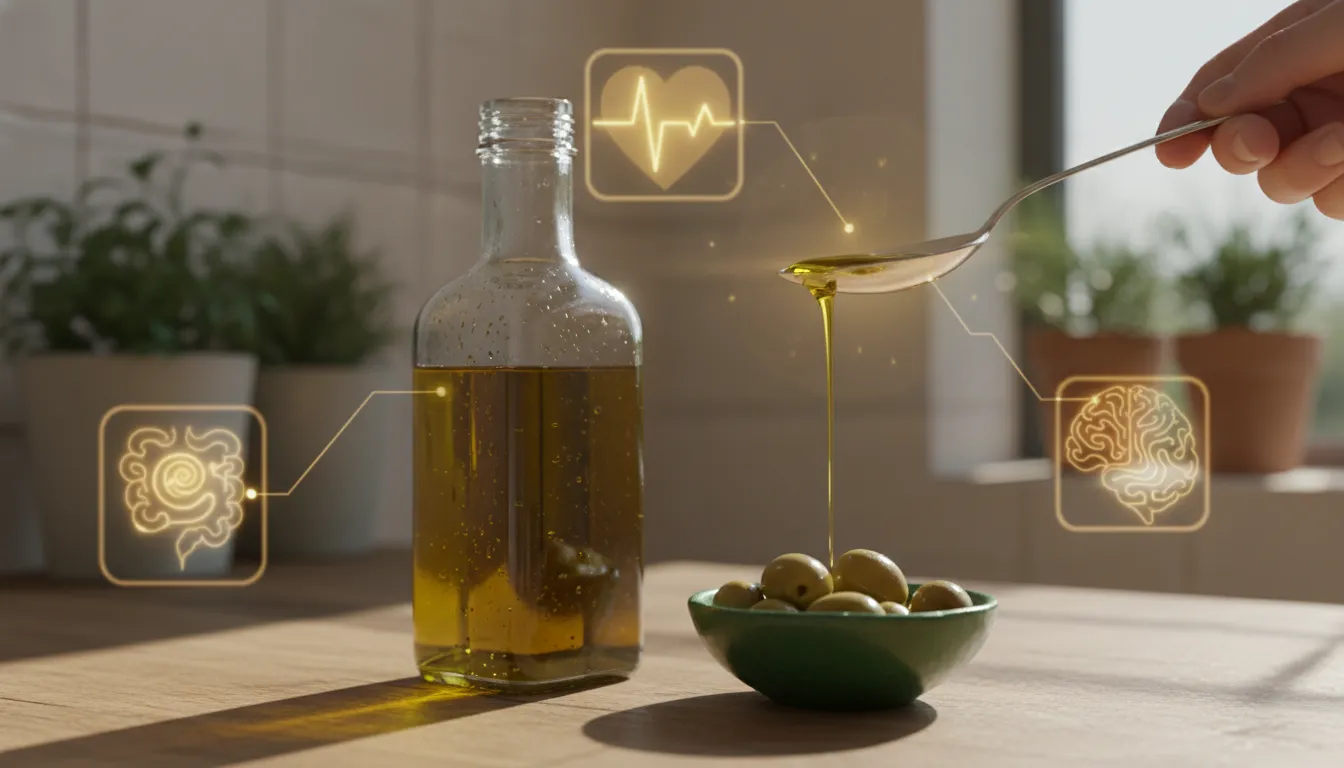
Every morning, countless people reach automatically for coffee, tea, or a quick breakfast, while one of the most powerful foods for long-term health is already sitting quietly in the kitchen.
Extra virgin olive oil has been part of Mediterranean life for thousands of years. For generations, it was treated as more than an ingredient. It was nourishment, protection, and daily medicine. Now modern research is finally catching up to what traditional cultures understood intuitively: the right olive oil, used consistently, can influence inflammation, cardiovascular health, digestion, blood sugar, brain function, skin quality, and even liver health.
This is not about ordinary processed cooking oil. It is specifically about high-quality extra virgin olive oil, rich in monounsaturated fats and natural polyphenols, especially compounds such as oleocanthal, hydroxytyrosol, and oleuropein.
And yes, the type matters enormously. If you buy poor-quality, refined, or heavily processed olive oil, you lose much of what makes olive oil special in the first place.
So what actually happens if you take one tablespoon of extra virgin olive oil every day for seven days? The changes begin much sooner than most people expect.
Table of Contents
- Why Extra Virgin Olive Oil Is Different
- Day 1: Inflammation Starts Coming Down
- Day 2: Your Cardiovascular System Begins to Respond
- Day 3: Digestive Health Gets a Lift
- Day 4: Skin and Hair Start Reflecting What Is Happening Inside
- Day 5: Brain Function and Mental Clarity Improve
- Day 6: Blood Sugar Becomes More Stable
- Day 7: Liver Protection and Whole-Body Cellular Support
- How Much Olive Oil Should You Take Daily?
- How to Choose the Best Extra Virgin Olive Oil
- Important Safety Considerations
- What Makes Olive Oil So Powerful in the Mediterranean Diet?
- What You May Notice Beyond the Lab Numbers
- How to Get the Most From a 7-Day Olive Oil Challenge
- A Simple Habit With Long-Term Consequences
- FAQ
- Additional Resources
Why Extra Virgin Olive Oil Is Different
Before talking about the seven-day timeline, there is one critical truth to understand: not all olive oil is created equal.
Only extra virgin olive oil, extracted by cold pressing without heat or chemical refining, preserves the natural bioactive compounds associated with health benefits. Once olive oil is refined, overheated, or blended with other oils, it loses a large share of the phenolic compounds that give it its anti-inflammatory and antioxidant power.
Research cited in the video points out that extra virgin olive oil can contain far more phenolic compounds than regular olive oil, sometimes many times more. Those polyphenols are not a side note. They are one of the main reasons olive oil has such a strong reputation in the Mediterranean diet and in longevity research.
The fat profile matters too. Olive oil is especially rich in oleic acid, a monounsaturated fat associated with better heart and metabolic health. Because the beneficial polyphenols are naturally carried in the oil itself, the body can absorb them efficiently when olive oil is consumed in its whole, natural form.

If you want the health effects discussed here, the target is clear:
- Choose extra virgin olive oil
- Look for cold pressed or first cold extraction
- Prefer dark glass bottles
- Check for a harvest date, not just an expiration date
- Buy oil fresh enough to still have a peppery, slightly bitter character, which often signals the presence of polyphenols
If you want a concrete example, one option mentioned in the recommended resources is this high-polyphenol Greek extra virgin olive oil.
Day 1: Inflammation Starts Coming Down
Within just a few hours of taking your first tablespoon of high-quality extra virgin olive oil, anti-inflammatory activity begins at the cellular level.
One of the most fascinating compounds in olive oil is oleocanthal. It has been studied for actions that resemble those of ibuprofen, but in a food-based form and without the same pattern of long-term side effects linked to frequent use of nonsteroidal anti-inflammatory drugs.
The early changes involve inflammatory markers that are strongly tied to chronic disease risk, including markers such as C-reactive protein, interleukin-6, and tumor necrosis factor alpha. These are not obscure lab values. They are deeply connected to the inflammatory burden associated with heart disease, diabetes, and many age-related disorders.
Some people notice something practical almost immediately: less stiffness, less heaviness, or less background soreness. That does not mean olive oil is a drug substitute. It means that when inflammation starts easing, the body often feels the difference.
The anti-inflammatory effect may also extend beyond the joints and bloodstream. The compounds in extra virgin olive oil can influence neuroinflammation as well, which helps explain why benefits often show up later in mood, clarity, and brain function too.

One important point here is sustainability. Long-term daily habits matter more than a single dramatic intervention. Olive oil is not trying to force the body into a short-term result. It is helping restore a healthier internal environment.
Day 2: Your Cardiovascular System Begins to Respond
By the second day, the cardiovascular effects begin to stand out.
The monounsaturated fats in extra virgin olive oil can support a healthier lipid profile by helping raise HDL cholesterol while reducing oxidation of LDL cholesterol. That oxidation piece matters. Oxidized LDL is considered especially problematic because it contributes more directly to arterial damage.
Another key benefit is improved endothelial function. The endothelium is the thin inner lining of blood vessels. When it functions well, blood vessels remain more flexible, responsive, and better able to maintain healthy circulation. When it functions poorly, the risk of atherosclerosis and impaired blood flow rises.
Polyphenols in olive oil help support nitric oxide production, which acts as a natural vasodilator. In plain English, this means blood vessels can relax more effectively, allowing blood to move with less resistance.
Clinical findings discussed in the source material connect daily extra virgin olive oil intake with measurable improvements in arterial stiffness, blood pressure, and endothelial performance in as little as 48 hours.
This is one reason the New England Journal of Medicine published work from the PREDIMED study showing that people following a Mediterranean dietary pattern enriched with extra virgin olive oil had a significantly lower risk of major cardiovascular events. The reduction highlighted in the video was approximately 30 percent.
That is not a trivial number. That is the kind of result that changes how we think about prevention.
the best olive oil you can get
Day 3: Digestive Health Gets a Lift
By day three, the digestive system often becomes one of the clearest places people notice a change.
Olive oil has a mild, gentle laxative effect for some people, which may help regulate bowel movements. But the digestive story goes much deeper than that. Extra virgin olive oil also appears to influence the gut microbiome by encouraging the growth of beneficial bacterial species and discouraging less helpful ones linked to inflammation and digestive imbalance.
Beneficial strains such as Bifidobacterium and Lactobacillus are often associated with better gut barrier function, improved immune balance, and smoother digestion. Polyphenols in olive oil can behave almost like prebiotics, feeding beneficial organisms and helping create a healthier microbial environment.
At the same time, olive oil stimulates bile flow, which improves fat digestion and supports the absorption of fat-soluble vitamins including vitamins A, D, E, and K. In other words, adding olive oil does not just provide nutrients of its own. It can also help your body extract more value from the rest of your meals.
Many people report:
- Less bloating
- More regular digestion
- Less post-meal discomfort
- Improved digestive ease overall
The anti-inflammatory benefits may also support the stomach and intestinal lining. The source material highlights research suggesting that regular olive oil consumption may help protect against gastric inflammation and may even inhibit Helicobacter pylori, the bacterium linked to ulcers and certain stomach problems.

Gut health is never just about the gut. Improvements here can ripple into immunity, mood, and even cognitive function because the digestive system is deeply tied to the rest of the body.
Day 4: Skin and Hair Start Reflecting What Is Happening Inside
By day four, some of the most visible changes may begin showing up in the mirror.
Extra virgin olive oil contains vitamin E, antioxidant polyphenols, and healthy fats that help maintain the skin’s moisture barrier. When the body is better nourished internally and systemic inflammation is lower, skin often looks calmer, more hydrated, and more resilient.
The oleic acid in olive oil is particularly interesting because it is also naturally present in human sebum. That means it fits naturally into the biology of skin barrier support.
Research in dermatology has linked regular olive oil consumption with better skin hydration and reduced signs of photoaging. While no food can erase years of sun damage, a dietary pattern rich in antioxidants and healthy fats can absolutely support healthier-looking skin over time.
Hair can benefit too. Better circulation, reduced oxidative stress, and vitamin E support may all contribute to stronger, shinier hair and less breakage. Some people notice improved texture fairly quickly, especially if their diet had been low in quality fats before.
There is also an inflammatory skin angle. The internal anti-inflammatory effect of olive oil may help calm conditions such as eczema and psoriasis in some individuals, especially when used as part of a broader anti-inflammatory lifestyle.

Day 5: Brain Function and Mental Clarity Improve
By the fifth day, the conversation moves to one of the most exciting areas of all: the brain.
The healthy fats and polyphenols in extra virgin olive oil can cross the blood-brain barrier, where they begin exerting neuroprotective effects. That matters because chronic low-grade inflammation does not just damage arteries and joints. It also affects memory, mood, focus, and long-term brain resilience.
Research mentioned in the video connects extra virgin olive oil intake with improved memory and learning, as well as reduced buildup of amyloid plaques associated with Alzheimer’s disease. Oleocanthal appears especially promising because it may help the brain clear abnormal proteins more effectively.
On a practical day-to-day level, people often describe:
- Better mental clarity
- Improved focus
- More stable mood
- Less mental fog
Another part of this picture involves BDNF, or brain-derived neurotrophic factor, a protein important for the growth and survival of brain cells. Healthier fats and a lower inflammatory burden support the kind of internal environment where brain resilience can improve.
Sleep may get better around this time too. Lower inflammation and improved metabolic stability can support more restful sleep, and better sleep then feeds back into better cognition, mood, and energy.
If you want broader context on Mediterranean eating patterns and healthy aging, the journal The Journal of Nutrition, Health & Aging has published research on Mediterranean diet patterns and longevity.
Day 6: Blood Sugar Becomes More Stable
By day six, the effects of olive oil on metabolism often become easier to feel.
When extra virgin olive oil is consumed with meals, it can help slow carbohydrate absorption and reduce sharp post-meal blood sugar spikes. That translates to steadier glucose levels and fewer energy crashes.
The monounsaturated fats and polyphenols in olive oil may also improve insulin sensitivity, helping the body handle glucose more efficiently. This is especially meaningful for people dealing with prediabetes, insulin resistance, or type 2 diabetes, but the benefits are not limited to those groups. Anyone can benefit from more stable energy and fewer blood sugar swings.
The appetite effects also become more noticeable around this stage. Healthy fats help trigger satiety hormones such as cholecystokinin and GLP-1, which signal fullness to the brain. That means olive oil may make it easier to feel satisfied with normal portions and reduce cravings for sugary or ultra-processed foods.

For many people, this becomes one of the hidden advantages of daily olive oil. Even though olive oil is calorie-dense, it often supports better appetite regulation rather than mindless overeating. That is one reason calorie counting alone rarely tells the whole metabolic story.
Day 7: Liver Protection and Whole-Body Cellular Support
By the seventh day, the benefits begin to feel more systemic.
The liver, one of the body’s major detoxification and metabolic organs, may benefit from the antioxidant and anti-inflammatory compounds in extra virgin olive oil. Research referenced in the source material suggests olive oil can help protect liver cells from oxidative damage and may play a role in preventing or improving fatty liver disease.
That matters because fatty liver is now extremely common, even in people who do not drink much alcohol. It is closely linked to insulin resistance, inflammation, and excess metabolic stress.
The monounsaturated fats in olive oil may help reduce liver fat accumulation, while polyphenols support lower inflammation and less cellular injury. By the end of the week, this protective effect is no longer isolated to one organ.
The article’s central message is that extra virgin olive oil contributes to whole-body cellular protection. The antioxidants help neutralize free radicals, reduce oxidative stress, and support healthier energy production at the cellular level.
That can feel like:
- More stable energy
- A stronger sense of vitality
- Better recovery
- A feeling that the body is operating with less friction
The immune system benefits as well. Polyphenols can help modulate immune activity by reducing excessive inflammation without shutting down the body’s normal defense systems. That balance is important for long-term resilience.

How Much Olive Oil Should You Take Daily?
The recommended amount in the source material is simple: 1 tablespoon, or about 15 mL, daily.
That amount provides roughly 120 calories, about 11 grams of monounsaturated fat, and a meaningful dose of beneficial compounds if the oil is high quality.
Some people prefer taking it first thing in the morning on an empty stomach. Others do better dividing it across meals. Both approaches can work.
If the taste feels strong at first, a few practical options can make it easier:
- Mix it with a little lemon juice
- Drizzle it over vegetables or salad
- Use it with a small piece of bread
- Add it to tomatoes, greens, or beans
Combining olive oil with other Mediterranean staples may actually increase its benefits. For example, it can improve absorption of lycopene from tomatoes and help the body absorb fat-soluble vitamins from leafy greens.
How to Choose the Best Extra Virgin Olive Oil
If quality matters more than quantity, what exactly should you look for?
Use this checklist:
- Extra virgin on the label
- Cold pressed or first cold extraction
- Dark glass bottle rather than clear plastic
- Harvest date visible on the label
- Freshness, ideally used within 18 to 24 months of harvest
- Smaller bottles if you do not use oil quickly
- Reputable certifications or trustworthy producers
- Single-origin oils when possible for better traceability
Store olive oil in a cool, dark place, away from heat and light. Freshness is not just a flavor issue. It is part of the health value.
As for cooking, the guidance here is practical: use your best extra virgin olive oil raw or for lower-temperature cooking. Excessive heat can reduce some of the compounds you are trying to preserve.
Important Safety Considerations
Extra virgin olive oil is generally safe for most people, but a few precautions matter.
- If you are not used to consuming fat on an empty stomach, start with a smaller amount.
- Mild digestive upset can happen at first, though it often fades as the body adapts.
- If you take blood thinners, speak with a healthcare professional before making a major change in intake.
- If you have gallbladder disease, medical guidance is important because olive oil can stimulate bile release.
- If you are actively managing weight, remember that one tablespoon contains about 120 calories, even if the satiety effect may help offset that.
This is food, not a miracle cure. It works best as part of a broader pattern that includes whole foods, sleep, movement, hydration, and stress management.
What Makes Olive Oil So Powerful in the Mediterranean Diet?
Olive oil is not acting in isolation in traditional Mediterranean cultures. It is part of a larger way of eating that includes vegetables, legumes, leafy greens, tomatoes, herbs, fish, nuts, and generally fewer ultra-processed foods.
That synergy matters.
For example:
- Olive oil with tomatoes improves carotenoid absorption
- Olive oil with greens improves vitamin absorption
- Olive oil in a lower-inflammatory diet supports cardiovascular and metabolic health more broadly
This is one reason Mediterranean diet research remains so compelling. It is not a single “superfood” story. It is a pattern story. Olive oil just happens to be one of the anchors.
For broader medical context on cardiovascular prevention and Mediterranean-style nutrition, The Lancet has also published influential work related to diet and cardiometabolic risk.
What You May Notice Beyond the Lab Numbers
Some of the most meaningful changes are not always the ones that show up first on a blood test.
People often describe the early effects of a consistent olive oil habit in very human terms:
- Mornings feel steadier
- Digestion feels calmer
- Skin looks a little healthier
- Cravings lose some of their intensity
- Thinking feels clearer
- The body feels less inflamed
These are subtle shifts, but they matter. They suggest that the internal environment is moving toward balance, resilience, and better repair.
How to Get the Most From a 7-Day Olive Oil Challenge
If you want to try this for yourself, keep it simple.
- Choose a high-quality extra virgin olive oil.
- Take 1 tablespoon daily for 7 days.
- Be consistent. Skipping days weakens the cumulative effect.
- Use it with Mediterranean-style whole foods when possible.
- Pay attention to energy, digestion, appetite, skin, and mental clarity.
The key principle is consistency. One tablespoon of excellent oil used daily will likely do more for you than larger amounts of poor-quality oil.
A Simple Habit With Long-Term Consequences
Real transformation rarely comes from one dramatic moment. It usually comes from repeated, intelligent choices that seem small on the surface but change the body over time.
That is exactly why olive oil deserves attention.
It is simple. It is ancient. It is deeply researched. And when the oil is genuine extra virgin olive oil, rich in polyphenols and used consistently, it can become one of the easiest upgrades to a healthier life.
Awareness matters. Consistency matters. Progress matters. The body responds to care with remarkable intelligence, and sometimes one of the best things you can do is return to a food humans have trusted for centuries.
FAQ
Is it really enough to take just one tablespoon of extra virgin olive oil a day?
Yes. The recommendation highlighted here is 1 tablespoon, or about 15 mL, daily. That amount is enough to provide a meaningful dose of monounsaturated fats and polyphenols when the olive oil is high quality.
Does regular olive oil offer the same benefits as extra virgin olive oil?
Not necessarily. Extra virgin olive oil is the preferred form because it is minimally processed and retains far more of the phenolic compounds associated with anti-inflammatory and antioxidant effects. Refined olive oil loses much of that therapeutic value.
When is the best time to take olive oil?
Many people take it in the morning on an empty stomach, but it can also be consumed with meals. If taking it alone feels too intense, using it with food is perfectly reasonable.
Can olive oil help with inflammation?
That is one of its most studied benefits. Compounds such as oleocanthal and other polyphenols are linked to reduced inflammatory activity, and the effects can begin within hours of consumption.
Can I cook with extra virgin olive oil?
Yes, but if your goal is to preserve the highest level of beneficial compounds, it is best saved for raw use or lower-temperature cooking rather than prolonged high-heat exposure.
Will olive oil make me gain weight because it is high in calories?
One tablespoon contains about 120 calories, so the calories are real. However, olive oil may also improve satiety, reduce cravings, and support better metabolic regulation, which can help balance overall intake.
Who should be cautious with daily olive oil intake?
People taking blood-thinning medications, those with gallbladder disease, or anyone with a medical condition requiring dietary monitoring should speak with a healthcare professional before making a significant change.
Additional Resources
- PubMed for searchable medical literature on olive oil polyphenols, cardiovascular health, and Mediterranean diet research
- Harvard Nutrition Source on olive oil for a practical overview of olive oil’s place in a healthy diet